Meta warns data center backlash could slow AI expansion
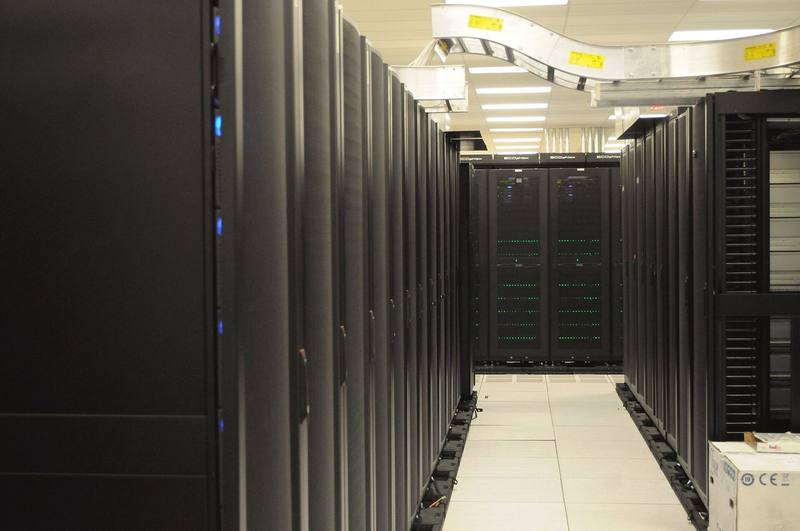
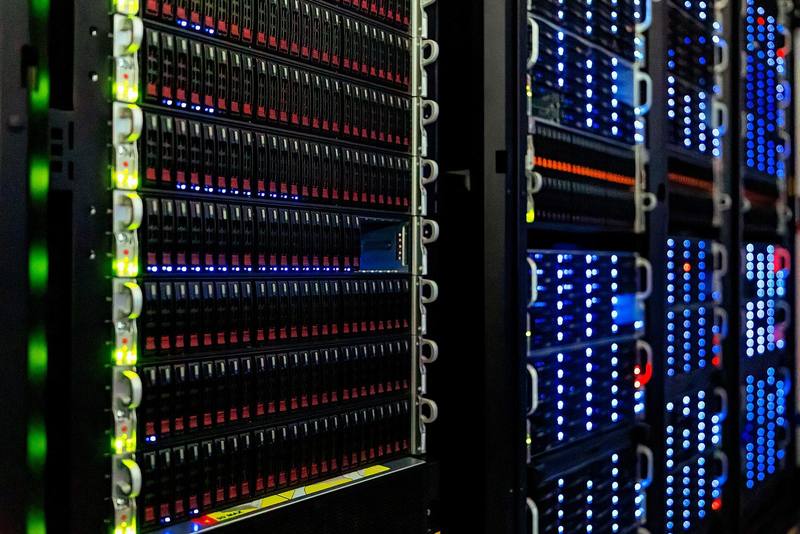
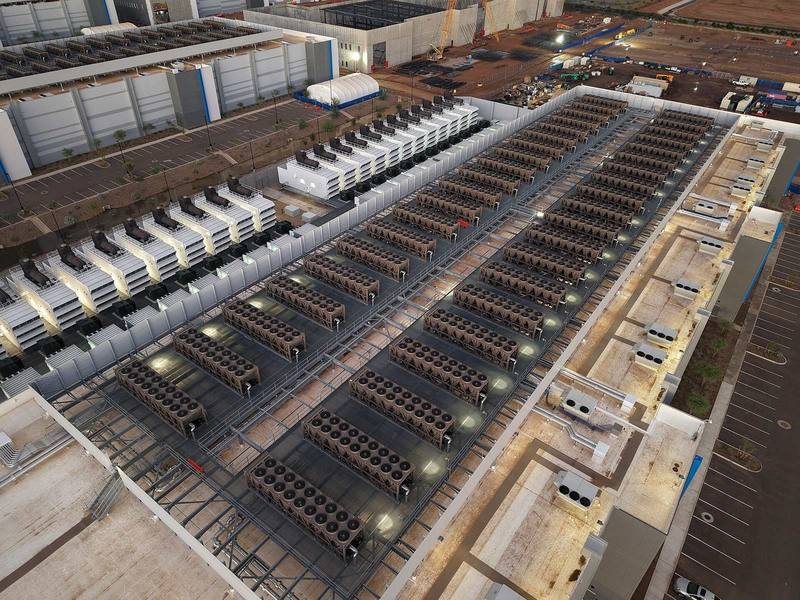
Meta has warned that political opposition to data centers could threaten its future AI investments, as local communities push back against large infrastructure projects. For ad buyers and publishers, the constraint shifts from model capability to the physical capacity behind it.
TechCrunch reported on 5 November 2026 that Meta is warning about growing political opposition to data centers, which the company says could threaten its future AI investments. The report describes communities pushing back against large infrastructure projects. Meta has not said which projects, regions or timelines are affected, and no figures on capital spending or capacity have been disclosed.
Why ad teams should care about a construction dispute
Most conversations about AI in digital marketing treat the constraint as software: which model, which format, which automation. This warning points at a different bottleneck. AI features in advertising, ranking and creative generation run on computing capacity, and that capacity depends on buildings, power and local permits. When those projects meet resistance, the rollout of compute-heavy products can slow regardless of how good the models are.
For a team buying Meta inventory, that changes the planning question. Instead of assuming every AI-driven surface keeps expanding on schedule, it is worth asking which placements and formats you actually depend on, and how your spend would move if a given one matured more slowly than expected.
The announcement does not specify which products would be affected first, or whether anything has already been delayed. Treat any claim about specific impact as speculation until the company says more.
What the warning implies about cost and allocation
Well-established context: training and serving large models is capital-intensive, and infrastructure costs eventually feed into how platforms price and allocate access to their AI tools. If expansion becomes harder or slower because of local opposition, the pressure on that allocation does not disappear; it may simply be redistributed across products, regions or tiers of service.
That is a structural risk, not a forecast. Meta has given no indication of price changes, and nothing in the report connects the pushback to advertising rates. What it does suggest is that the assumption of abundant, cheap AI capacity deserves scrutiny in any multi-year media plan.
Three things to check this week
- List the AI-dependent ad products and creative tools your team uses weekly, and note which ones are load-bearing for performance rather than convenient.
- Ask your account teams whether any planned feature or format you are building around has a communicated timeline, and record what is confirmed versus assumed.
- Stress-test next quarter's budget against a scenario where one AI-driven placement scales more slowly, and identify the organic or creator-led channels that could absorb the shift.
The broader signal is that AI capacity is becoming a public-policy question, not just an engineering one. Teams that track infrastructure news alongside product announcements will be less surprised by the pace of what actually ships.
Also worth reading
-
Anthropic's $1.7bn staff cost: what it means for AI teams
Siècle Digital reports that Anthropic spent close to $1.7 billion on its employees in the third quarter of 2026, ahead of its IPO. That works out at roughly $100,000 per employee per month, a figure that is not equivalent to actual salaries.
-
AI-Written Briefs: Why Brief Bloat Slows Campaigns
Digiday reports that agencies and marketers now routinely use AI tools to draft media and creative briefs, and that overuse is producing bloated documents. The report offers no figures or named cases, but it points to a quality problem teams can test for themselves.
-
Microsoft patent filing targets real-time speech and lip-sync editing
A Microsoft patent filing reported by Siècle Digital describes near-real-time cleanup of speech, removing filler words and hesitations. What the report leaves open is how such editing would work, and what it means for teams producing video at volume.